
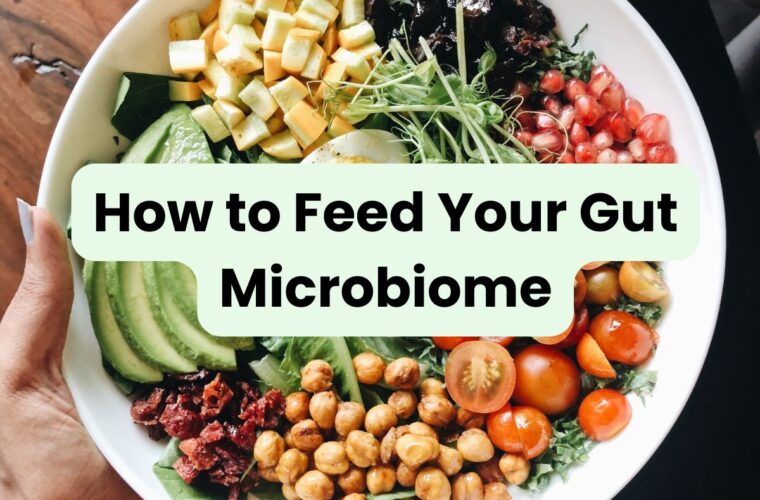
If you’ve been learning about gut health, you may have heard that you need a “healthy microbiome.”
But that leaves an obvious question:
What do I actually eat?
The answer doesn’t begin with an expensive supplement or a perfectly restrictive diet. If you know me, I don’t sell any products. For most people, one of the best places to begin is surprisingly simple: a greater variety of whole plant foods, especially foods rich in fiber.
Your Gut Microbes Need Food, Too
Your gut microbiome is an ecosystem containing trillions of microorganisms.
Hang with me here as I try to explain what that means. Some dietary fibers pass through the small intestine without being completely digested. When they reach the colon, certain gut microbes can ferment them and produce compounds called short-chain fatty acids, including butyrate, acetate, and propionate.
These compounds are involved in intestinal and immune function. Research consistently shows that dietary fiber can influence the composition and activity of the gut microbiome—although exactly how we respond varies from person to person and by the type of fiber we eat.
So rather than thinking only about feeding yourself, consider this:
Every meal is also an opportunity to feed your microbial community.
1. Think Variety, Not Perfection
Different microbes can use different types of carbohydrates and fibers.
That makes variety valuable.
Think beyond simply “eat your vegetables.” Your plant-food menu can include:
- Vegetables
- Fruits and berries
- Beans and lentils, if tolerated
- Whole grains, if appropriate for you
- Nuts and seeds
- Herbs and spices
The American Gut Project found that people who reported eating a greater variety of plants had differences in microbial diversity compared with those eating fewer varieties. You may have heard this translated into the popular goal of 30 different plant foods per week.
I like the idea as inspiration—not as another rule to get perfect.
If you currently eat 10 different plants, try 12 or 15. Nourishment, not perfection.
2. Include Foods Rich in Prebiotic Fibers
A prebiotic is a substance selectively used by beneficial microorganisms in a way that provides a health benefit.
Foods containing fermentable fibers include choices such as onions, garlic, asparagus, leeks, oats, legumes, and certain fruits.
Resistant starch can also become fuel for gut microbes. Sources can include foods such as green bananas and cooked-and-cooled potatoes or rice, depending on your individual dietary needs and tolerances.
You don’t need every one of these foods. The goal is to build variety from foods that work well for your body.
3. Consider Fermented Foods
Fermented foods may be another useful addition.
In one randomized Stanford study, a diet high in fermented foods increased microbiome diversity and decreased several inflammatory markers in healthy adults.
Examples include yogurt with live cultures, kefir, sauerkraut, kimchi, and other traditionally fermented foods.
But more isn’t automatically better, and fermented foods aren’t appropriate for everyone. Start with foods you tolerate and talk with your healthcare professional or dietitian when your medical condition requires specific dietary restrictions.
Make This Practical
When my own health forced me to take nutrition more seriously, I learned something important: knowing what to eat and consistently doing it are two different things.
Fatigue can make planning, shopping, preparing, and cooking nutritious food feel enormous.
That’s why I don’t want you walking away from this article believing you need to overhaul your refrigerator tonight.
Instead, try one simple challenge this week:
Add five different plant foods to foods you already eat.
Add berries to breakfast. Toss herbs onto dinner. Try a different vegetable. Add seeds to a salad. Choose another color of produce at the grocery store.
Small choices add up.
God created our bodies with extraordinary complexity. Caring for them doesn’t require fear or obsession. It invites stewardship, curiosity, and grace.
You don’t need the perfect microbiome. You simply need to begin nourishing the one you have.
Nourishment, not perfection.